Learn
Children explore who or what needs care and why their contribution matters. Clear context helps them connect empathy with responsibility.

Why we began
Ceeds of Kindness gives children practical ways to care for people, shared spaces and the communities around them.
Our beginning
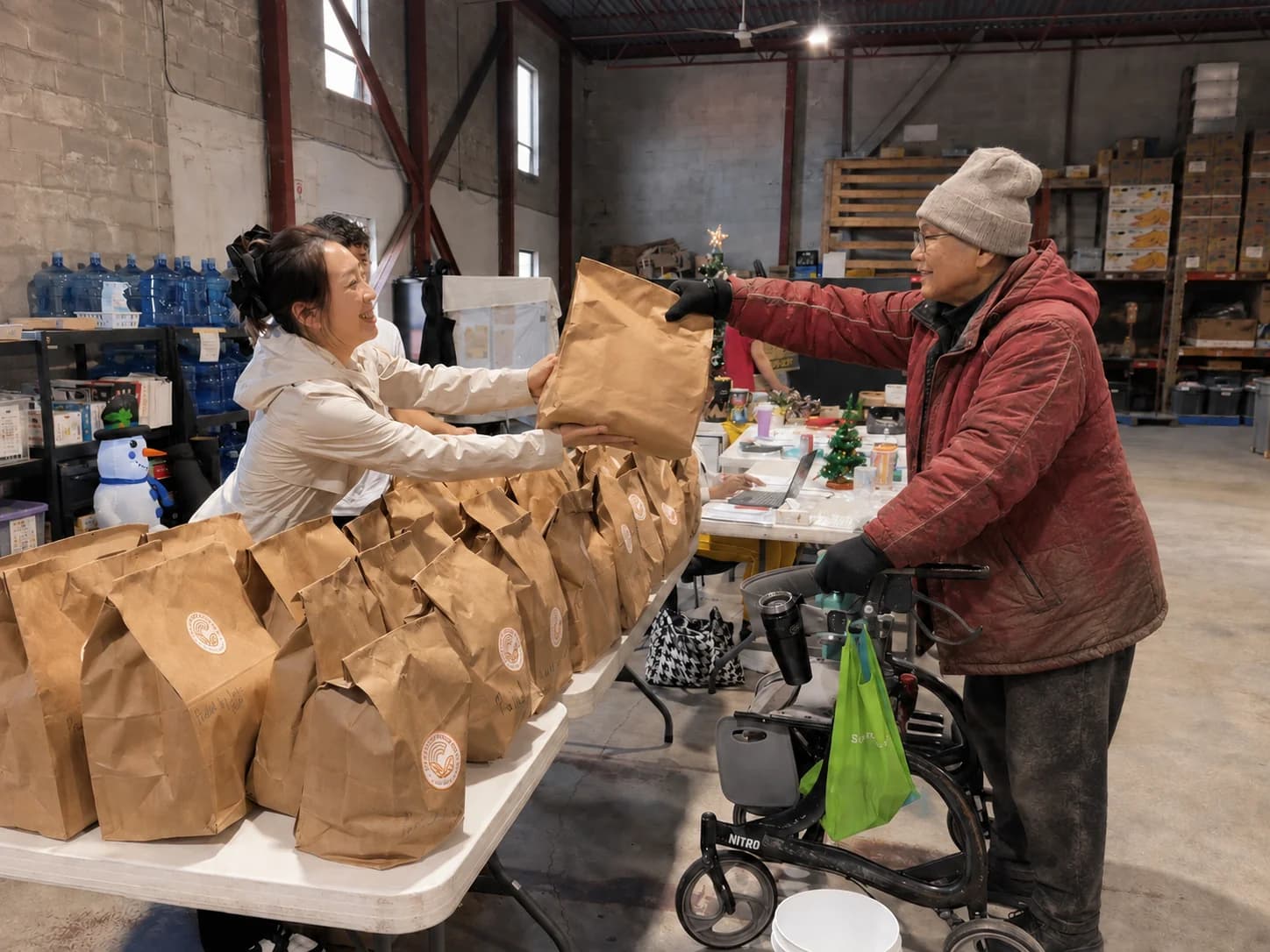
Ceeds of Kindness began with a simple belief: empathy becomes meaningful when children have a chance to act on it.
Inspired by Frances (Cece), educator Carbo Ngai founded the organization in 2024 to give young people age-appropriate ways to help neighbours, care for shared spaces and discover the value of contributing.
Our mission
Our mission is to help children of all ages turn empathy into practical care for people and place.
Every activity pairs an age-appropriate lesson with something children can do themselves, so community service feels understandable and within reach.
From preparing care hampers to cleaning shared spaces and planting trees, children learn that their choices can make a difference now.
The goal is not a single good deed. It is to help kindness become a practical, repeatable habit that children can carry into their homes, schools and communities.

Meet the founder
Founder & Executive Director
Carbo is an educator who believes children learn compassion best when they can put it into practice. Inspired by her daughter, Frances (Cece), she founded Ceeds of Kindness in 2024 to create those opportunities.
Carbo leads programs across Metro Vancouver where children and families learn together, respond to local needs and build lasting habits of care.
Her approach gives children clear context, a useful role and time to reflect on what their contribution meant. That combination helps community service feel relevant to their everyday lives.
Watch our introductionOur community in action
Every act of care grows through the people who make it possible.
Figures as of September 2026.
How it works
Each experience moves from understanding a need to taking part and reflecting on what their contribution meant.
Children explore who or what needs care and why their contribution matters. Clear context helps them connect empathy with responsibility.
Age-appropriate action gives children a useful role, whether they are preparing care items, looking after a shared space or supporting a community activity.
Guided reflection helps children notice what changed, what they learned and how they can practise the same care in everyday life.
Participation with care
Every activity is shaped around the community need, the children involved and the setting. Young people are given enough context to understand the purpose of the work, not simply complete a task.
Adults provide guidance before and during each activity, helping children participate in ways that suit the experience. Depending on the activity, parent or guardian permission and additional safety or consent information may be required.
Afterward, reflection gives children space to recognize what they contributed, listen to other perspectives and consider how the same kind of care can continue.
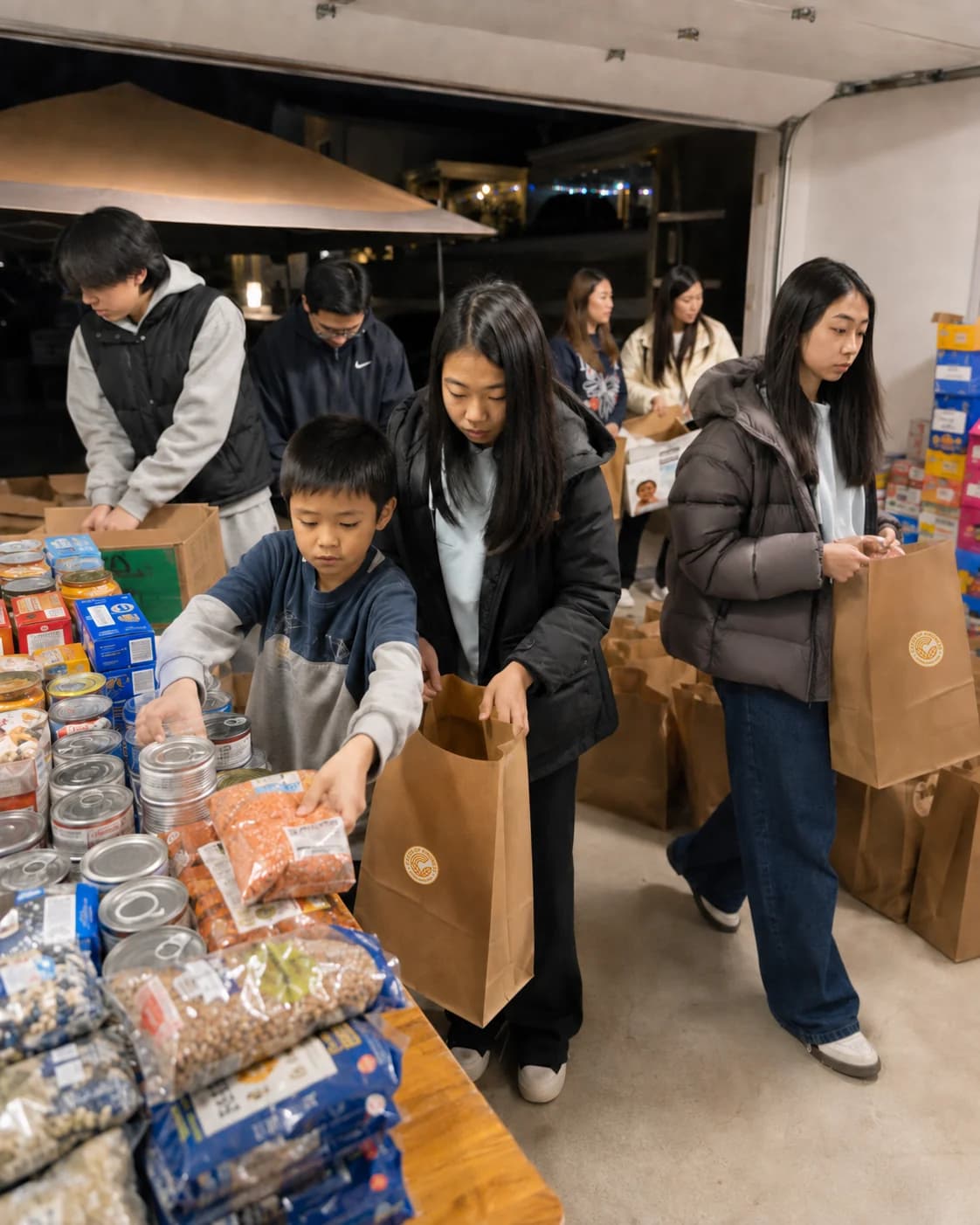
“When children are trusted to help, they discover that their care matters and that they can make a difference.”
Ceeds of Kindness
Grow with us